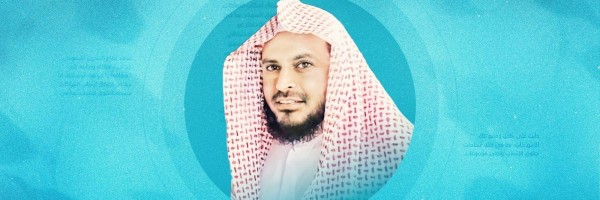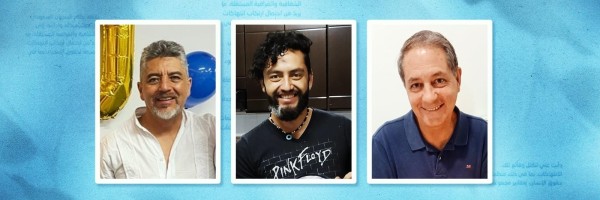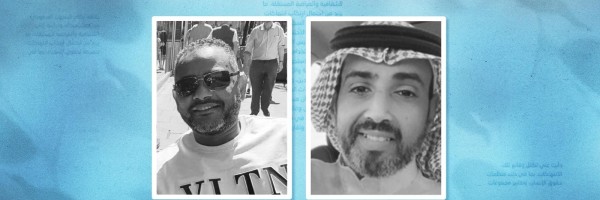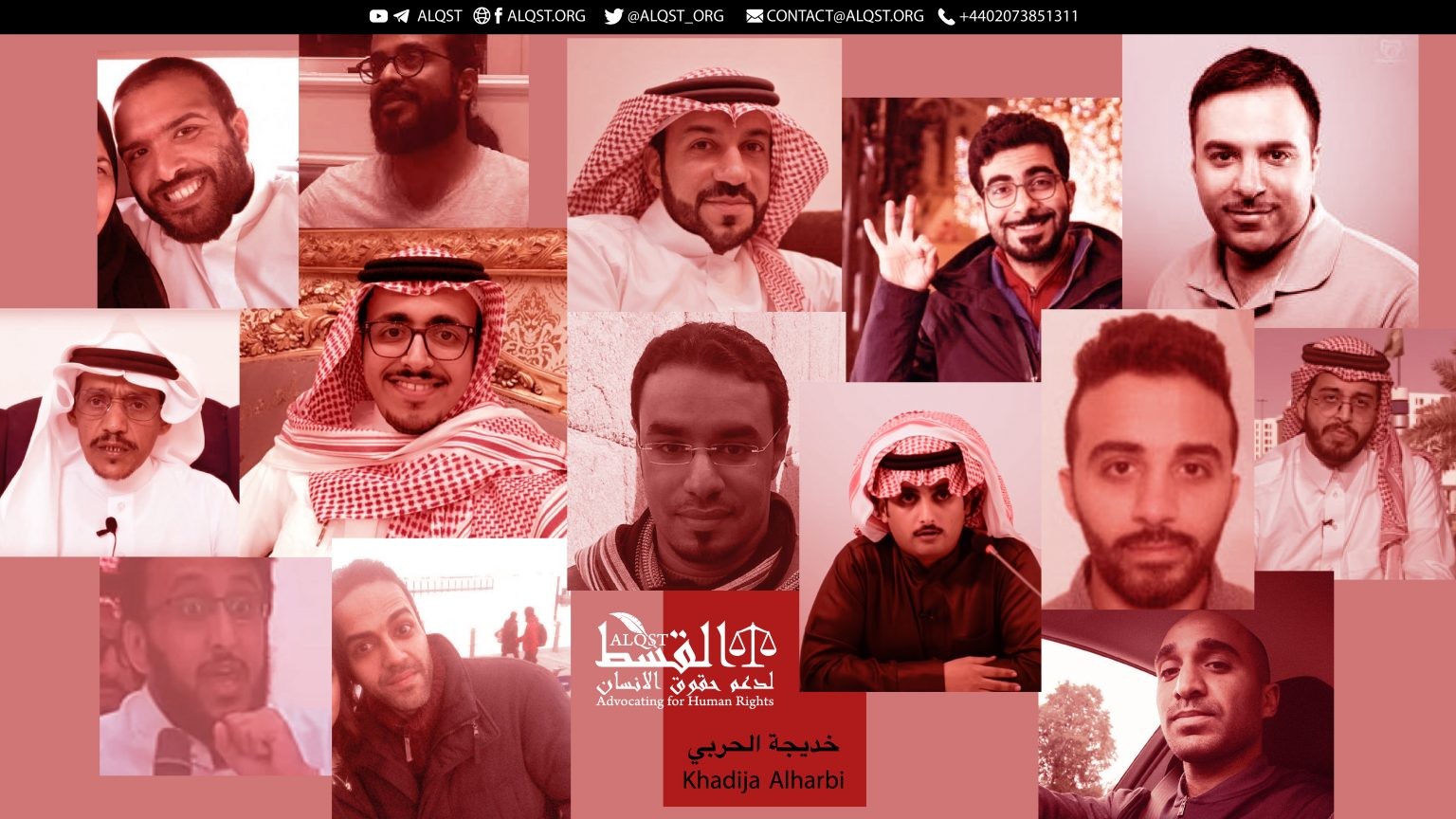
Between 4 and 9 April 2019, the Saudi authorities arrested at least 15 bloggers, writers and family members of women human rights defenders. One year after their initial arrest, all individuals except one remain in detention, the majority of them have been interrogated about their cultural activities, yet no one has been officially charged.
These individuals include Salah al-Haidar, son of women’s rights activist Aziza al-Yousef (currently facing unfair trial), writer and physician Bader al-Ibrahim, writers Mohammed al-Sadiq, Thumar al-Marzouqi, Abdullah al-Duhailan, Nayef al-Hindas, Ali al-Saffar, Redha al-Boori and Khadija al-Harbi, novelist Moqbel al-Saqqar, activists Fahad Abalkhail and Ayman al-Drees, lawyer Abdullah al-Shehri, journalist Yazed al-Faifi (unconfirmed reports of his temporary release) and doctor Sheikha al-Urf (who was released later in 2019). Salah al-Haidar and Bader al-Ibrahim are both dual US-Saudi citizens. Shortly before, on 28 March 2019, Anas al-Mazrou, a lecturer at King Saud University, was also arrested after, during a public panel at Riyadh Book Fair, he expressed solidarity with detained human rights activists.
All of those targeted were activists, writers or bloggers who had previously engaged in public discourse on reform. Their arrests appeared to be linked to their support for or connection with the women activists and pro-Palestinian advocacy, and illustrated yet again the Saudi authorities’ brazen disregard for the fundamental right to freedom of expression and opinion.
Yahya Assiri, Director of ALQST, commented: “The fact that peaceful activists and writers are being held in custody for over a year without charge, is a clear violation by the Saudi authorities of international law, which prescribes that individuals deprived of their liberty should promptly beinformed of any charges against them and are entitled to trial within a reasonable time or to release. It further shows that the Saudi authorities’ narrative of reform and intention of improving its human rights record is nothing but empty words”.
The current global health crisis of the coronavirus (COVID-19) pandemic poses a serious threat to prisoners. Prison populations are among those most vulnerable to the COVID-19 pandemic and other infectious diseases due to overcrowding in prisons, deplorable sanitary conditions and the frequent lack of adequate health care. To minimize these risks, the Saudi authorities should therefore release all “low-risk” detainees, including those convicted or held in pre-trial detention for non-violent offences and all prisoners of conscience.
ALQST believes that the individuals connected to the April arrests were solely arrested for making use of their fundamental right to freedom of expression. Hence, and especially in light of the rapidly advancing outbreak of the coronavirus, ALQST calls for their immediate and unconditional release.